Toothache without cavities: 6 unexpected causes
Table of content
Toothache is one of the most common problems people experience at different stages of their lives. It is considered one of the most distressing types of pain due to its direct impact on sleep, eating, and concentration. Many people believe that all tooth pain is caused by cavities, but the reality is quite different. There are many reasons why toothache can occur without an obvious cause.
In this article, we will discuss the most important causes of toothache, how to recognize the different symptoms of tooth pain, and the best ways to treat toothache in order to maintain optimal oral and dental health.
Causes of Toothache
Toothache can result from a wide range of causes. Some are simple and easy to treat, while others require prompt medical attention. Below are the most important causes of toothache explained in detail:
First: Tooth Decay
Tooth decay is the most common cause of toothache. It occurs due to the buildup of bacteria and food debris, which leads to erosion of the tooth enamel and then the dentin.
Symptoms:
-
Pain when eating sweets or drinking hot or cold beverages
-
Pain that worsens over time
-
Unpleasant bad breath
In advanced stages, decay may reach the tooth nerve, causing severe and persistent pain.
Second: Dental Nerve Inflammation
When tooth decay is left untreated, bacteria can spread to the dental pulp (nerve).
This type of pain is characterized by:
-
Strong, throbbing pain
-
Increased pain at night or when lying down
-
Little or no response to painkillers
Root canal treatment is the most effective solution to save the tooth and permanently relieve the pain.
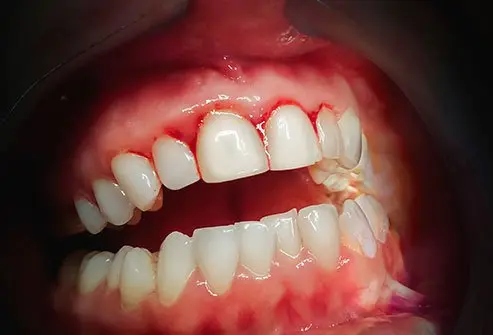
Third: Gingivitis and Chronic Gum Disease
Gingivitis can cause tooth pain even without the presence of cavities.
Symptoms of gingivitis include:
-
Swollen and reddened gums
-
Bleeding during brushing
-
Widespread pain affecting more than one tooth
-
Persistent bad breath
As the condition progresses, gum recession and damage to the tissues supporting the teeth may occur, leading to chronic pain and difficulty chewing.
🦷 Our Medical Solutions:
-
Advanced gum treatment
-
Comprehensive dental examination with panoramic X-rays
Fourth: Tooth Sensitivity
Tooth sensitivity occurs as a result of enamel erosion or gum recession, which exposes the dentin.
Patients may experience:
-
Sudden pain when consuming hot or cold foods
-
Pain when eating sweets or acidic foods
Sensitivity can be managed using specialized toothpaste and by following the dentist’s recommendations.
Fifth: Dental Abscess or Advanced Infections
A dental abscess is a collection of pus caused by a bacterial infection.
Symptoms include:
-
Sharp, throbbing pain
-
Swelling of the gums or face
-
Fever
-
A bad taste or unpleasant odor in the mouth
⚠️ This is a medical emergency that requires immediate treatment to avoid serious complications.
Sixth: Chipped or Cracked Teeth
Teeth may develop small cracks due to:
-
Chewing hard foods
-
Trauma or accidents
-
Teeth grinding during sleep
These cracks can cause pain when chewing or when exposed to cold air.
Seventh: Wisdom Tooth
Wisdom teeth are a common cause of toothache, especially if:
-
There is not enough space for proper eruption
-
The tooth erupts partially or at an angle
-
It causes inflammation of the surrounding gums
The pain may radiate to the jaw, ear, or head.
Eighth: Jaw or Temporomandibular Joint (TMJ) Disorders
Sometimes, the pain does not originate from the teeth themselves, but from the jaw joint or facial muscles.
Symptoms include:
-
Pain when chewing or opening the mouth
-
Persistent headaches
-
Pain that mimics toothache
Ninth: Toothache Without a Direct Cause
In some cases, toothache without cavities may be caused by:
-
Sinus infections (especially affecting the upper teeth)
-
Nerve disorders such as trigeminal neuralgia
-
Stress and psychological pressure
-
Migraines
In these cases, visual examination alone is not sufficient, and diagnostic imaging is essential to identify the true cause.
Tenth: Old Fillings or Dental Crowns
Improper or worn-out fillings and crowns can cause toothache due to:
-
Bacterial leakage beneath the filling
-
A filling that is too high compared to the surrounding teeth
-
Deterioration of restorations over time
Symptoms of Toothache
Recognizing the symptoms of toothache can help identify the cause and take the appropriate action before the condition worsens. Common symptoms include:
-
Sharp or persistent pain in one or more teeth
-
Tingling or sensitivity when consuming hot or cold foods
-
Swollen or reddened gums
-
Bleeding gums during brushing
-
Headache or pain in the jaw or ear in some cases
Tooth pain without an obvious cause is just as important as pain caused by decay, as it may indicate a condition that requires early diagnosis.
Treatment of Toothache
Treatment options for toothache vary depending on the underlying cause. Common approaches include:
-
Gum and dental care: Brushing with medicated toothpaste, using dental floss, and antibacterial mouthwash
-
Sensitivity treatment: Using toothpaste for sensitive teeth and regular dental visits to rule out cracks or fractures
-
Jaw and TMJ disorders: Muscle exercises, night guards, and consultation with a dentist or TMJ specialist
-
Wisdom tooth issues: Panoramic X-rays to assess the tooth’s position and extraction if necessary
-
Nerve problems or abscesses: Consultation with a specialist, possible nerve medications, or surgical intervention in severe cases, along with panoramic imaging for accurate diagnosis
Important Tips for Maintaining Dental Health
-
Schedule regular dental check-ups for early detection of problems
-
Brush your teeth at least twice daily with toothpaste
-
Use dental floss and mouthwash regularly
-
Avoid excessive intake of sugary and acidic foods that weaken enamel
Frequently Asked Questions About Toothache Without Cavities (FAQ)
Can a tooth hurt without having a cavity?
Yes, many causes of toothache are related to gum disease, nerve issues, or jaw problems—not cavities alone.
What symptoms indicate that the pain is not caused by decay?
Pain affecting more than one tooth, gum swelling, extreme sensitivity to heat or cold, headaches, or pain when chewing may indicate another cause.
When should you visit a dentist?
If pain persists or is accompanied by severe sensitivity or swelling, you should visit a dentist for a comprehensive examination with panoramic X-rays to identify the real cause.
What packages are suitable for diagnosis?
-
Gum treatment
-
Dental examination
-
Panoramic X-ray
Conclusion
Tooth pain is not always caused by cavities. Identifying the real cause of the pain helps ensure proper treatment and prevents unnecessary procedures.
With dental examination and panoramic X-ray packages available through the Mashfa app, you can receive an accurate diagnosis and start the right treatment quickly and easily.